Selecting a Silla dental is one of the most consequential purchases a practice makes. The chair sits at the center of every patient visit, shapes clinician ergonomics, and directly affects treatment efficiency. Whether you are opening a new clinic or upgrading tired equipment, this guide walks through the types, features, compliance, cost, and care you need to evaluate before signing a purchase order.
Key Takeaways
- Match the chair type to your primary procedures (general, implant, pediatric, or integrated disinfection).
- Prioritize ergonomics, smooth positioning, and easy-to-clean surfaces over flashy extras.
- Confirm CE/FDA/ISO compliance and local import rules before buying.
- Budget for installation, delivery, training, and ongoing maintenance—not just the sticker price.
- A well-maintained dental unit reliably serves a busy clinic for 8–12 years.
Why the Right Dental Chair Matters
A dental chair is not just a seat. It is the platform that holds the patient, positions the operating field, and supports integrated delivery systems, lighting, and suction. The wrong choice leads to clinician back pain, slower workflows, and unhappy patients. The right one improves case outcomes and daily comfort. For a deeper look at full systems, see our overview of the dental unit lineup.
Types of Dental Chairs
Most practices choose from four categories:
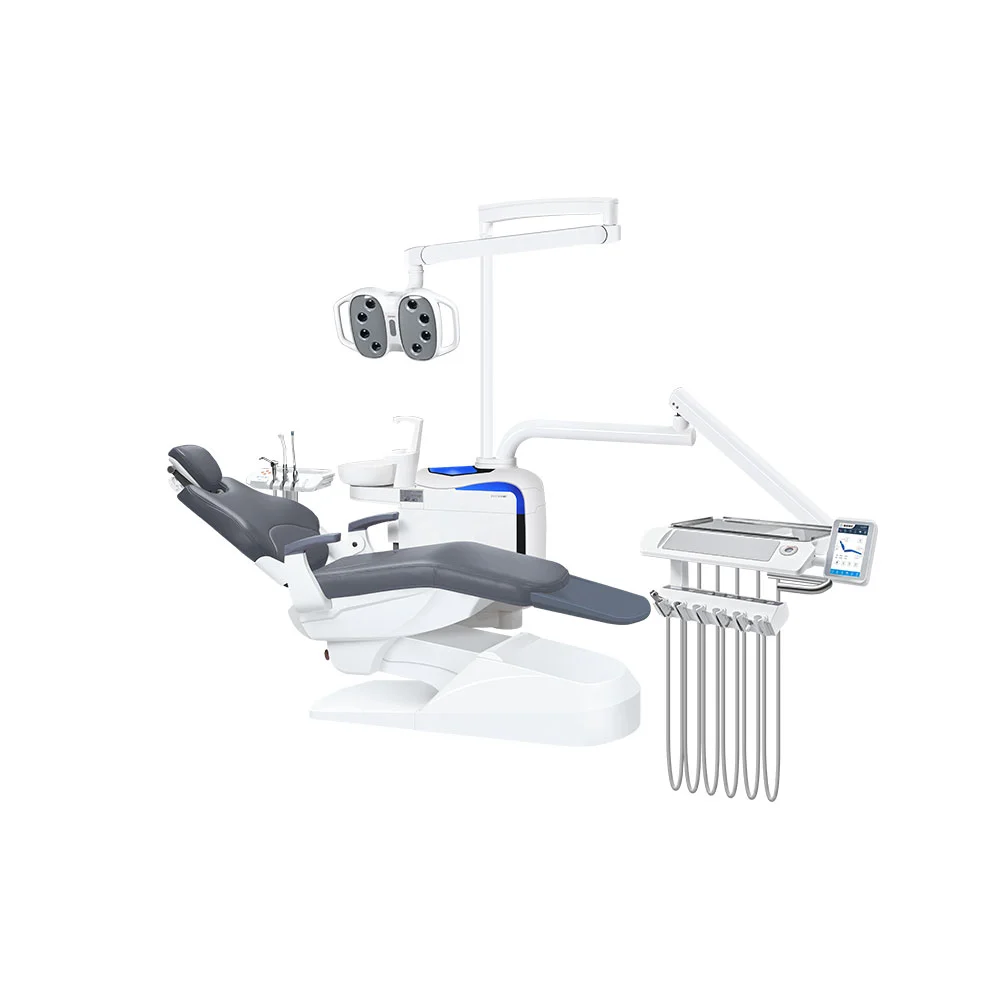
- Standard dental chairs – the workhorse for general dentistry: exams, fillings, cleanings, and basics.
- Implant chairs – built for stability and precision, often with programmable positions suited to surgical workflows. Explore implant chairs.
- Pediatric / kids’ chairs – sized and styled to reassure younger patients; see our kids’ unit options.
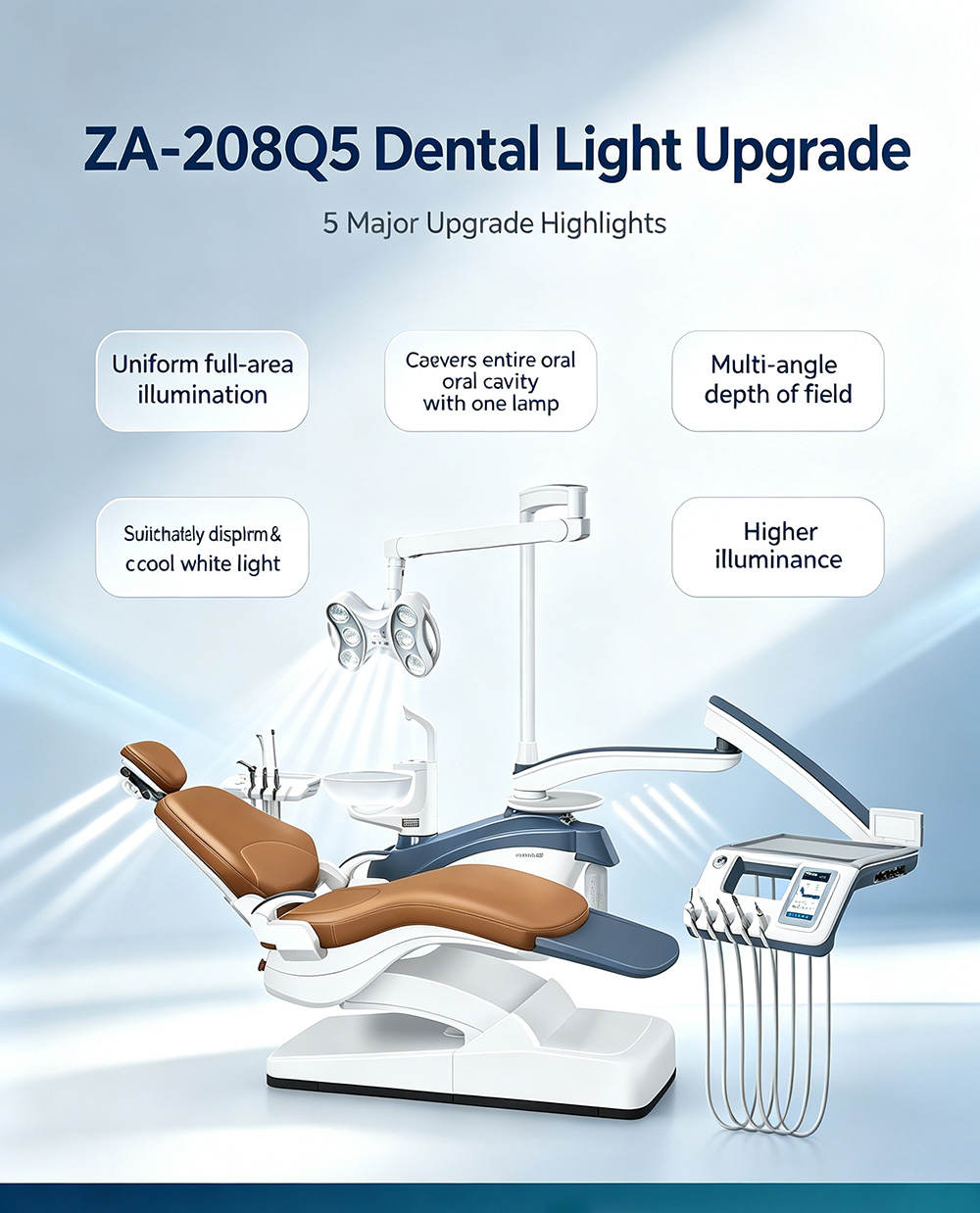
- Disinfection-integrated units – combine the chair with infection-control features for safer workflows, such as the digital disinfection unit ZA-208D.
Key Features to Evaluate
Ergonomics and Positioning
Look for a wide, stable base, low entry height for easy patient transfer, and smooth, quiet movement through Trendelenburg and supine positions. Programmable memory positions save seconds on every patient.
Hydraulic vs. Electric
Electric chairs offer precise, consistent motion and fewer fluid-related failures. Hydraulic units are often lower cost but need periodic seal maintenance. For most modern clinics, electric is the recommended default.
Materials and Cleanability
Seamless, antimicrobial-grade upholstery with sealed seams resists fluids and simplifies disinfection between patients—critical for infection control.
Integrated Delivery and Lighting
Confirm the delivery system (over-the-patient, side, or rear delivery), LED operatory light quality, and built-in suction meet your workflow. A quality high-grade dental chair bundles these cohesively.
Certifications and Compliance
Before importing or installing, verify the equipment carries the marks your market requires. In the United States, dental devices fall under FDA oversight; in Europe, the CE mark (MDR) is mandatory. International standards such as ISO 13485 govern quality management for medical devices. Reputable manufacturers document these clearly—always request certificates and the Declaration of Conformity. The American Dental Association also publishes infection-control guidance clinics should follow regardless of chair brand (ADA infection control).
Cost Factors and Budgeting
A realistic Silla dental budget includes more than the unit price:
- Chair and delivery system configuration
- Delivery, customs, and installation
- Operator and assistant stools
- Training for your team
- Warranty terms and spare-part availability
Entry configurations differ widely by region and spec. Rather than chasing the lowest price, weigh total cost of ownership: a reliable unit with accessible parts costs less over a decade than a cheap chair that fails.
Maintenance and Longevity
A simple maintenance routine protects your investment:
- Disinfect surfaces after every patient per manufacturer guidance.
- Flush and clean suction and water lines daily.
- Inspect hoses, seals, and movement monthly.
- Schedule professional servicing annually.
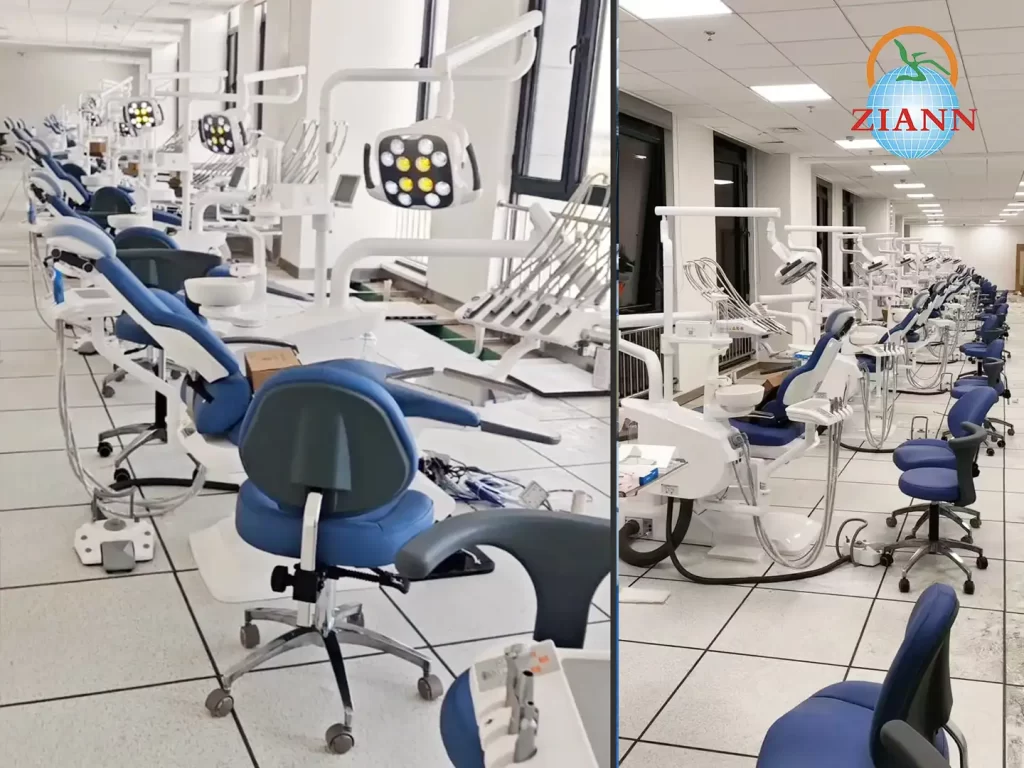
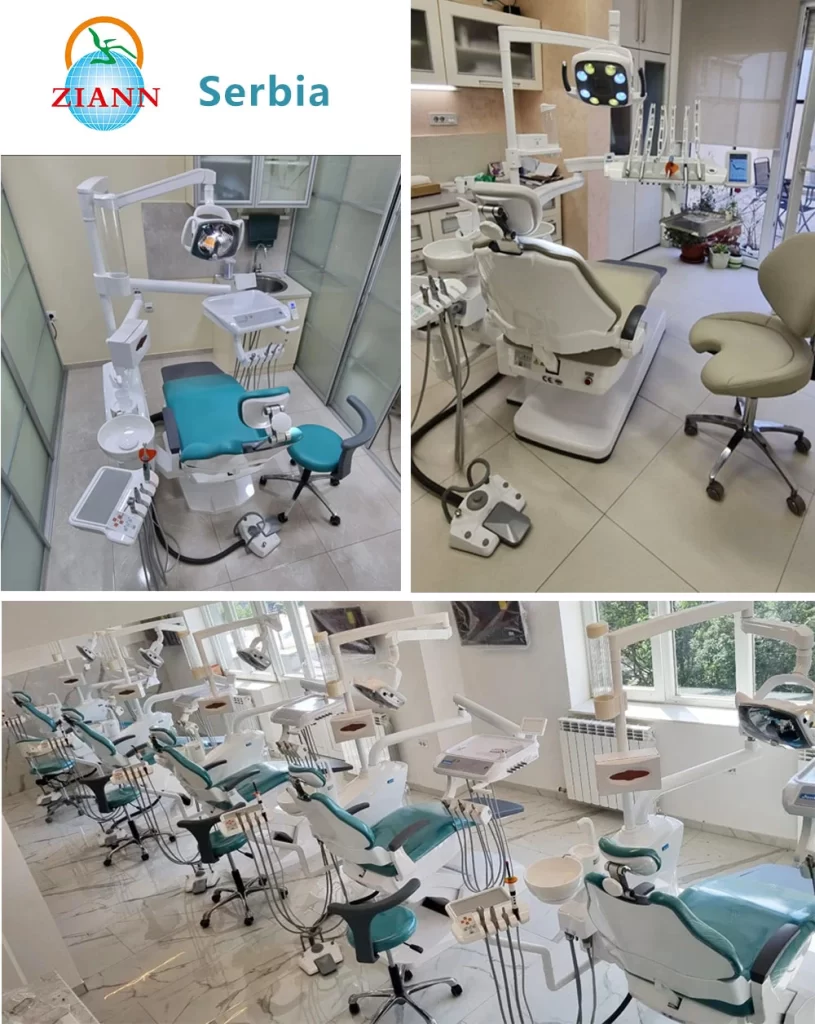
For a practical routine, review our dental chair maintenance notes, and see how clinics apply these units in real settings on our cases page.
FAQ
Q: How long does a dental chair last? A: With proper maintenance, a quality dental unit typically lasts 8–12 years in a busy practice.
Q: Is an electric or hydraulic dental chair better? A: Electric chairs give smoother, more precise positioning and fewer fluid failures; hydraulic units cost less upfront but need more seal maintenance. Electric is the common modern choice.
Q: What certifications should I check before buying? A: At minimum, confirm CE (MDR) for Europe, FDA registration for the U.S., and ISO 13485 quality management. Always request the certificates and Declaration of Conformity.
Q: How much does a dental chair cost? A: Prices vary by configuration, region, and brand. Budget for the unit plus delivery, installation, training, and warranty—not just the sticker price.
Q: Can one chair serve both general and implant work? A: Yes. Many modern chairs handle general dentistry and support implant procedures via programmable positions; dedicated implant chairs add extra stability for surgery.
Q: How do I keep a dental chair hygienic? A: Use seamless, easy-clean upholstery, disinfect between every patient, flush water lines daily, and follow the manufacturer’s infection-control protocol.